A Short History of the British Pie
From coffins you weren't meant to eat, to the pasty that fed the tin mines, to whatever's in your oven tonight.
Chris Thomas ·
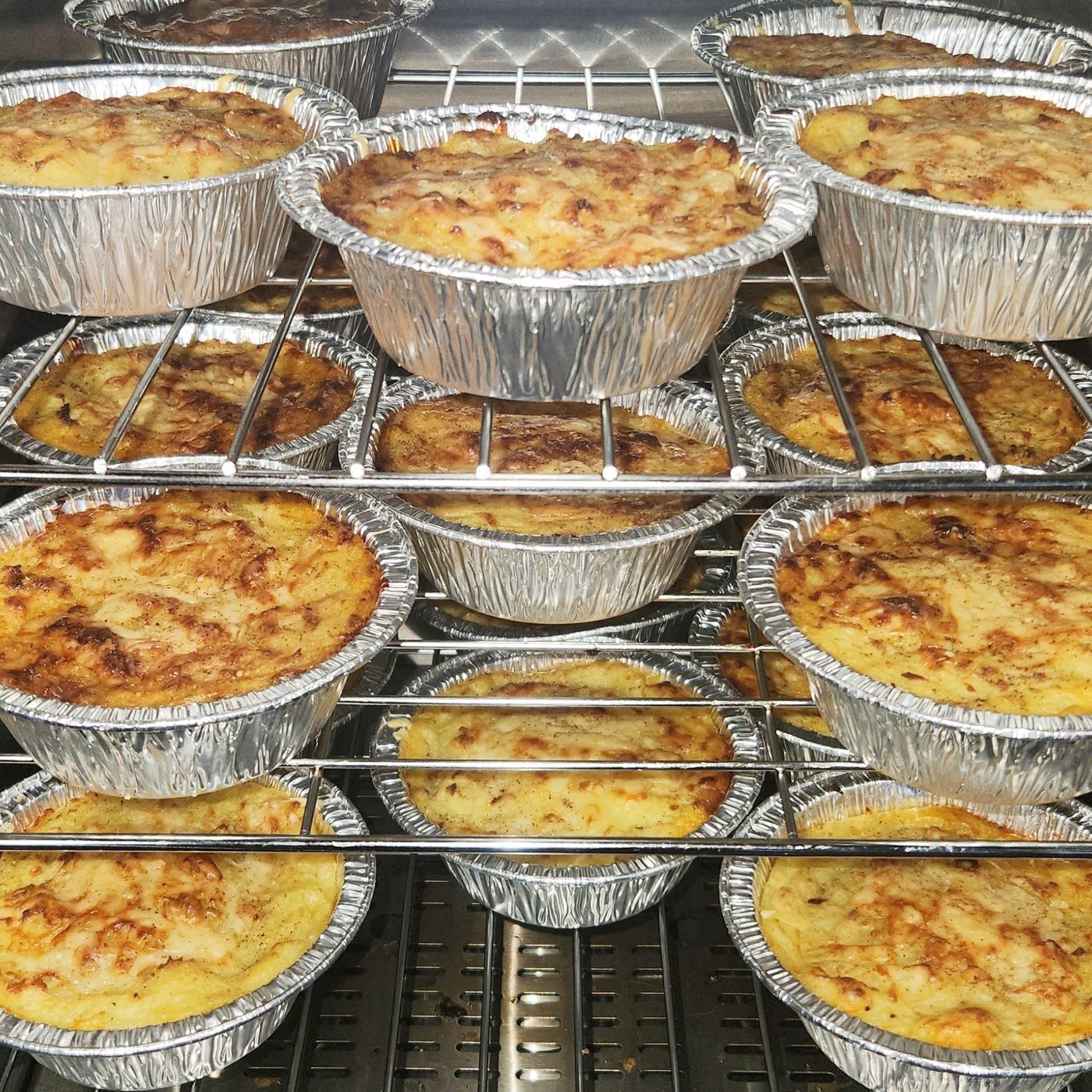
The pie is older than most of the countries that claim it. But Britain took it further than anyone else, and the reason is duller and more interesting than you’d hope: we needed somewhere to put the meat.
The pastry wasn’t food
The earliest British pies had a crust called a coffyn — same root as coffin, meaning simply a box or a case. Flour and water, thick, hard, and not intended to be eaten. It was a container. You baked meat inside it, the pastry set into a rigid vessel, and the contents kept far longer than they otherwise would.
Medieval kitchens had no refrigeration and a great deal of meat arriving at once. A coffyn was preservation and packaging in one object. Servants sometimes ate the crust afterwards. People who could afford better did not.
That’s the ancestor of everything that follows, and it explains something that still holds: a British pie is a full enclosure. Pastry underneath, pastry on top, sealed. A dish with pastry laid over it is a casserole with ambitions.
Butter changed everything
Once pastry started being made with fat — butter, lard, suet — it stopped being a container and became the point. Richer pastry meant a crust worth eating, and once the crust was worth eating, pies stopped being purely practical and started being something people looked forward to.
By the eighteenth century regional pies were established across Britain, mostly built around what was local and affordable. Melton Mowbray in Leicestershire made pork pies with hand-formed crusts. Bedfordshire made a clanger with meat at one end and jam at the other, because it was lunch and pudding in a single object.
The pasty is a working tool
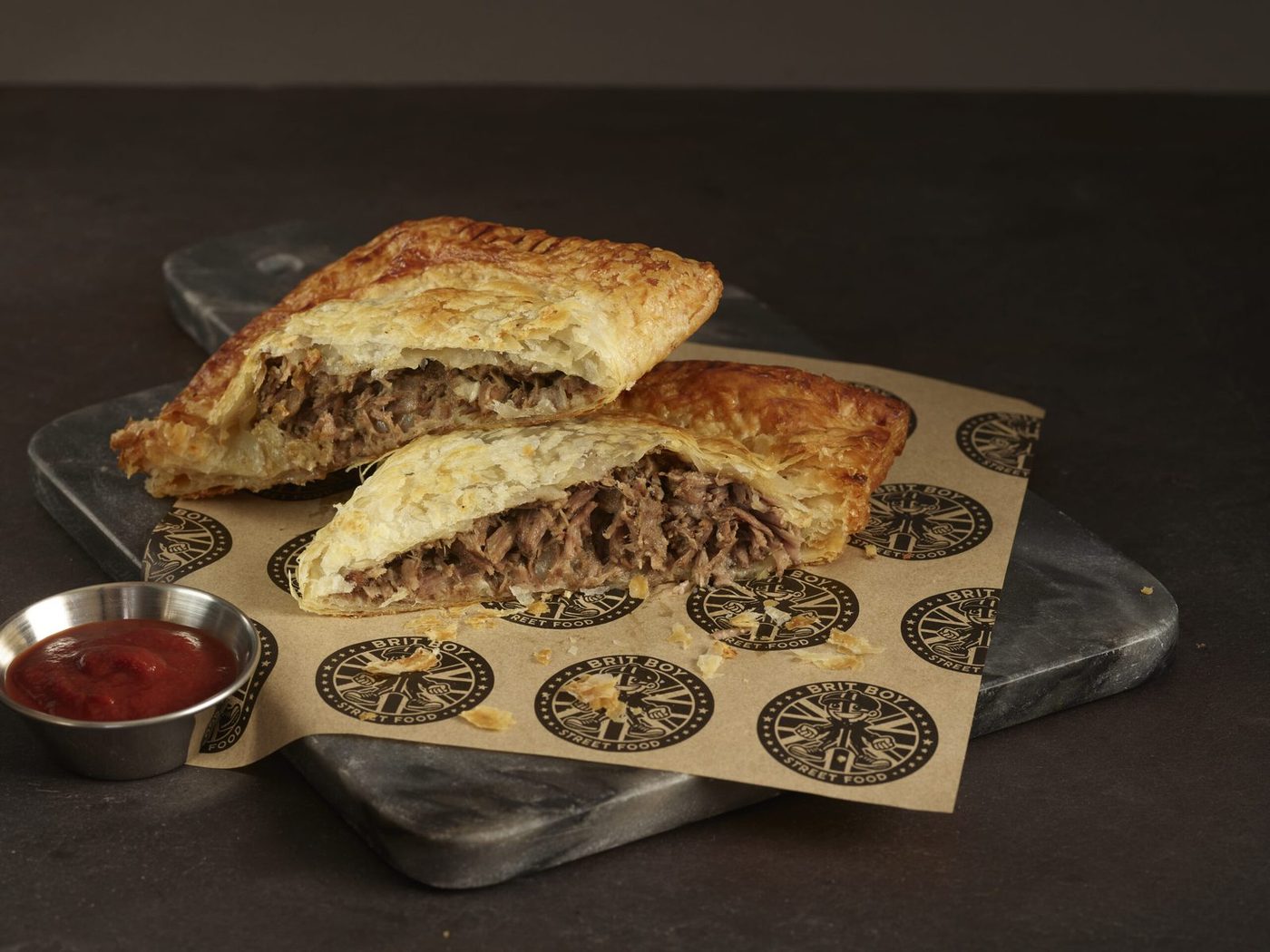
The Cornish pasty is the most purely functional thing in British food and still the best-designed lunch anyone has come up with.
Meat and vegetables in a pastry case, crimped along one edge into a thick rope of crust. That crimp is a handle. A tin miner with dirty hands could hold a pasty by the crimp, eat the rest, and throw the handle away without ever touching the food. It stayed warm for hours in a pocket. It carried a full meal with no plate, no bag and no cutlery.
Every convenience food since has been trying to do what a pasty already did in 1850.
Then the pie got personal
The move from the great communal pie to the individual one tracks the industrial revolution almost exactly. People started working away from home, needing food they could carry and eat in a short break, and the pie shop followed the factory.
Which is where you get the pie as it exists in British life now: something you eat at a football ground, at a bakery counter, out of a paper bag, standing up. Not an occasion. A Tuesday.
And the potato went on top
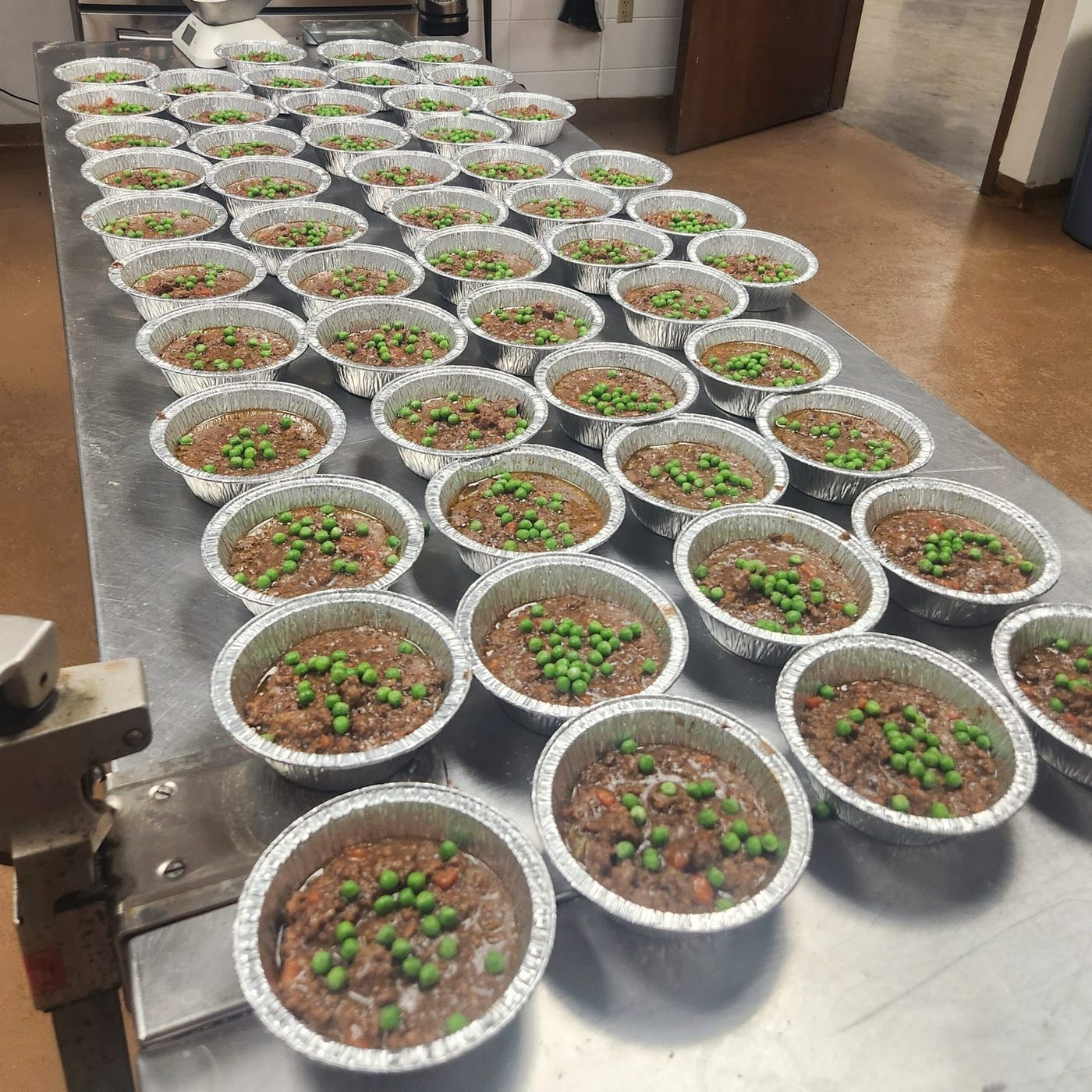
The mash-topped pie is the odd one out — no pastry at all, a mashed potato lid instead. It came from the same instinct as everything else here, which is that leftover meat should become something worth eating rather than be eaten again as itself. Potatoes were cheap and plentiful by the late 1700s, and a layer of mash browned under heat does the same job as a crust: it seals, it holds, and it goes crisp on top.
Purists argue about whether a potato-topped dish counts as a pie at all. It’s a real argument and it will never be settled. We make ours that way, so you can guess where we land — and the full case is here.
Where that leaves us
We’re a British family making British pies in Kansas City, which is not where any of this history was heading. But the thing itself hasn’t changed much: a filling worth eating, a top that seals and browns, sized so one is a meal, built to be held.
The coffyn was a box for meat. Nine hundred years later, the top is the best part.
Everything we make is available frozen — collect in Kansas City or we’ll ship overnight to all fifty states. Have a look at the shop.